

To provide elderly family members with a comfortable and safe sleeping space, designing a senior room is essential! This not only reflects love and care but also addresses potential risks in the home as physical functions gradually decline. Below is a summary of the core values and design highlights for senior rooms, creating a practical, safe, and comfortable resting environment for seniors.
Two Core Values You Must Consider Before Designing a Senior Room
1. Will parents actually want to live there? Respect habits and autonomy
Before designing a senior room, communicate well with your parents. For them, moving or changing long-established routines and spatial familiarity can naturally lead to resistance. Understand their needs first, then design according to their habits and requirements for an ideal arrangement.
2. Is the space sufficient? Ensure accessibility and comfortable circulation
Control pathway width so wheelchairs and walkers can pass
| Space | Minimum Width | Purpose |
|---|---|---|
| Main pathways and in-room circulation | At least 90 cm | Walkers can pass; space for handrails or assistive devices. |
| Room door | 80–90 cm | Allows easy access for wheelchairs or adjustable beds. |
| Bathroom door width | 90–120 cm | Accommodates caregivers or family assistance. |
| Bedside pathway | 70–90 cm | Enough space to move after getting up without hitting furniture. |
| Wheelchair turning space | Diameter 150 cm | Space reserved for wheelchair turning. |
3. Is the design user-friendly? Meet personal preferences and future care flexibility
A. Physical condition and special needs
Consider health issues, sleep patterns, and mobility, and design according to age-friendly standards.
B. Lifestyle habits and preferences
Include details like daily routines, light sensitivity, hobbies, personal collections, and color or style preferences.
C. Flexible design for future care
Plan for the next 5–10 years. For detached houses, the senior room can be on the first floor; for apartments, place it near the elevator and communal areas for family convenience.
Five Key Points to Master When Designing a Senior Room
1. Circulation planning
Plan circulation for “safety” and “ease.” Place pathways on floors accessible by elevator; if no elevator, use lower floors to reduce knee strain and fall risk.
2. Lighting design
Provide a soft, bright environment with reduced light contrast to create a comfortable and safe senior room.
3. Soundproofing
Use double-layer doors with insulated or sound-absorbing panels, and add acoustic mats on floors to create a quiet, disturbance-free resting area. This improves sleep quality and protects privacy.
4. Barrier-free safety design
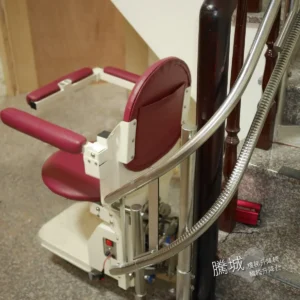
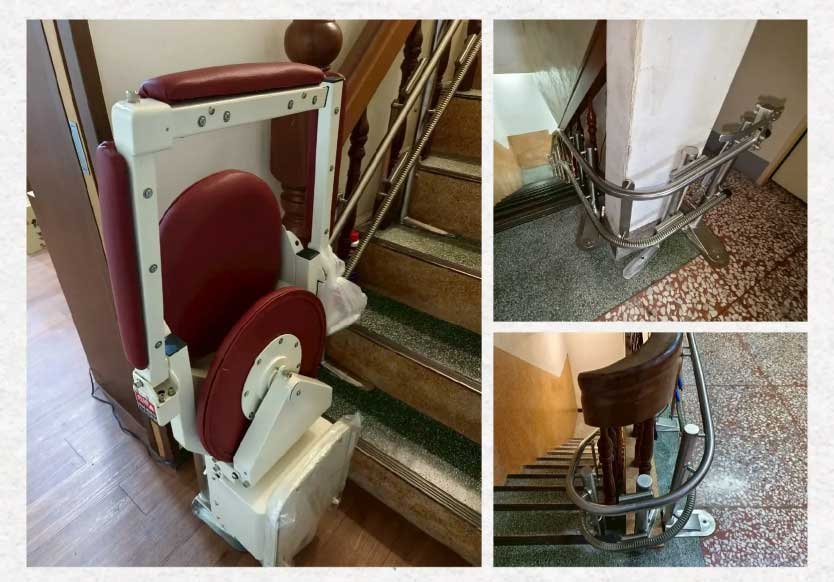
Use ramps instead of thresholds for easy wheelchair and walker access. Install ergonomic handrails around toilets, showers, and sinks. Stairlifts can be installed to eliminate fall risks: Stairlift Chair.
5. Furniture
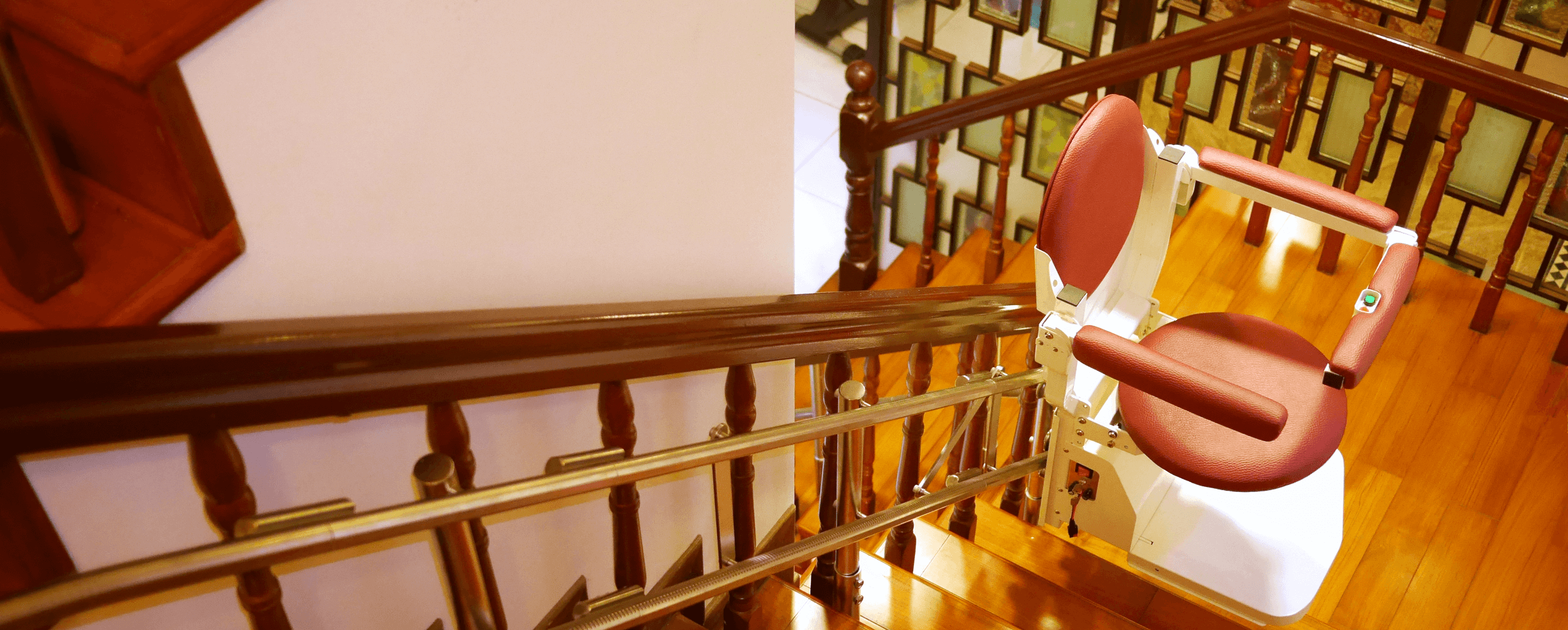
Choose furniture considering declining physical function. Bed height should allow feet to touch the floor easily; storage cabinets should be 50–150 cm high for easy access. Chairs should have fixed armrests, high backs, and slightly firm cushions for support. Stairlift chairs combine barrier-free design with practical circulation, providing easy operation and stable seating for convenience and safety.
Parents Don’t Want to Live in a Senior Room? 3 Common Reasons
1. Want to maintain personal space and freedom
They worry about excessive interference from children and losing control of their life and privacy. They may also feel the senior room is labeled “for the elderly,” which can hurt self-esteem.
2. Concerned about disturbing the children’s family life
Different routines can interfere with each other and affect the children’s couple dynamics, creating subtle pressure. If elders cannot resist intervening in childcare, it may cause conflicts.
3. Used to living in their own home
Rather than moving into a new and unfamiliar senior room, elders prefer staying in their familiar environment to maintain independence and comfort.
No Moving or Renovation Needed! Install a Stairlift Chair Instead of a Senior Room
Senior rooms are ideally on the first floor or near the elevator to reduce stair climbing and knee strain. However, due to budget and lifestyle, not every house is suitable for a senior room conversion. What to do then?
Tengcheng Technology has 30–40 years of practical experience in mechanics and understands the mobility needs of retired seniors. With comfortable and safe stairlift chairs, seniors can move up and down stairs easily and safely!
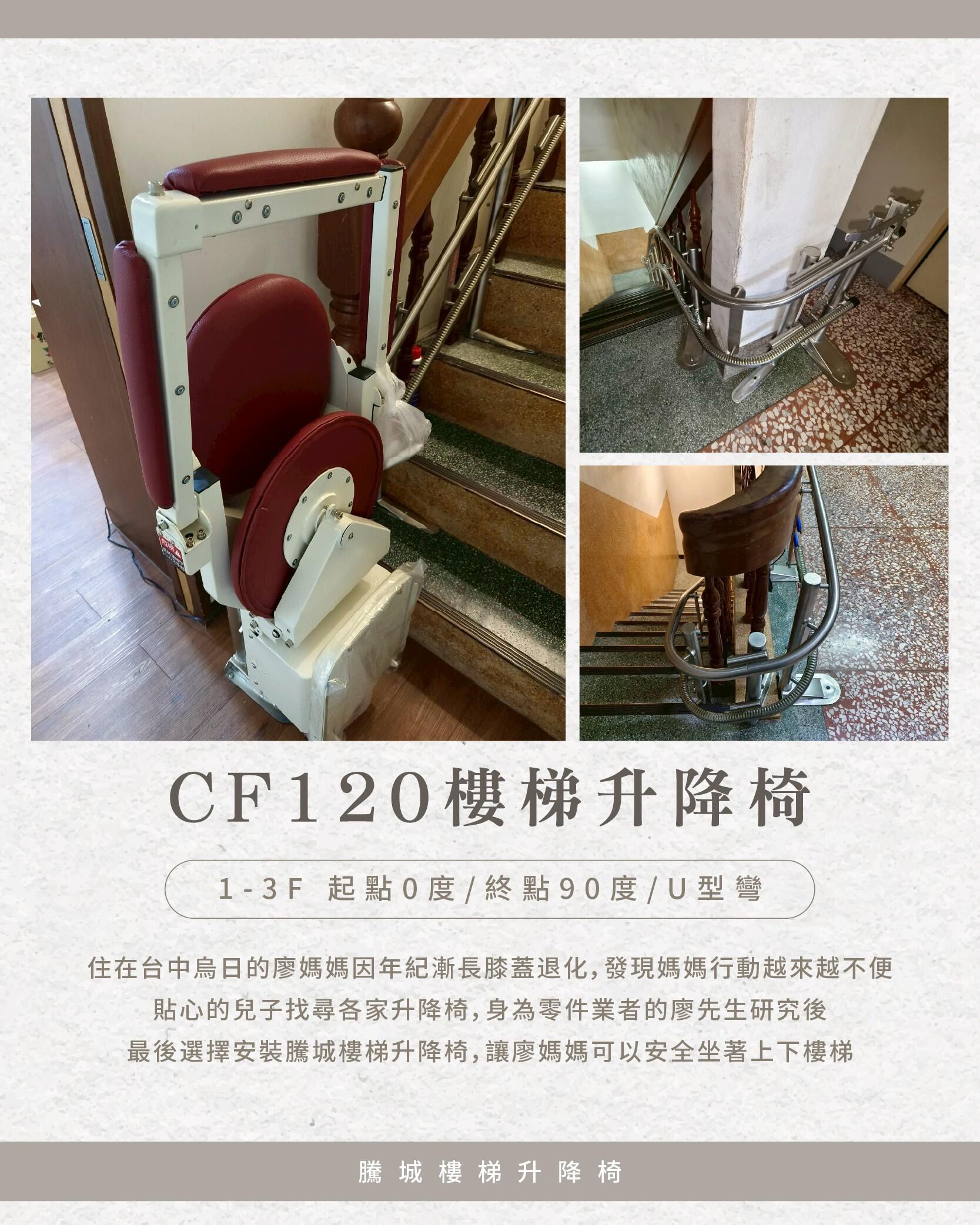
Advantages of Tengcheng Stairlift Chairs
1. Durable high-quality materials extend lifespan
Considering Taiwan’s hot and humid climate, stairlifts use SUS-304 stainless steel for excellent corrosion resistance and minimal deformation, greatly extending the lifespan.
2. Quick-turning seats suitable for small staircases
The main advantage is using solid stainless steel rails—the only design of its kind in Taiwan—reducing space required for turns and fitting compact staircases.
3. Foldable seats save stair space
The rail-to-handrail distance is within 10 cm, and the seat folds to the side, fully unobstructed at the staircase entrance.
4. Choose stairlift mode based on user needs
Whether for seniors needing wheelchairs or limited mobility, stairlifts offer single-rail, dual-rail, and wheelchair-compatible lift platforms. As long as the weight limit isn’t exceeded, they accommodate people and items.
Conclusion:
Love should include respect without over-interference. To provide seniors with a dignified, comfortable, and safe retirement, you can plan a separate senior room or retain their existing living space using a simple and safe barrier-free design. Tengcheng integrates stair pathways with barrier-free design; stairlift chairs create a safe, comfortable, and stress-free living environment for seniors and their children.
★Check out more real cases
★If you want to learn more about stairlift chair details or schedule a free measurement, call us anytime for consultation ☎️