
Taiwan is not only entering a super-aged society, but it also has about 1.2 million people with disabilities, of whom over 300,000 have mobility difficulties. The planning and construction of accessible facilities in public spaces are extremely important for seniors and wheelchair users. When going out, visually impaired individuals need tactile guide paths; when moving between floors, wheelchair users need accessible lift platforms. Poor planning of accessible facilities in public spaces can not only cause inconvenience but may also lead to accidents.
What are accessible facilities?
Accessible facilities, also called facilities for people with mobility difficulties, refer to any building components or spaces designed to provide independently reachable, usable, and navigable facilities for people with mobility challenges. This includes indoor entrances, outdoor pathways, emergency ramps, lifts, stairways, parking spaces, bathrooms, and toilets. These kinds of accessible facilities are actually not unfamiliar—they are often seen in public spaces such as libraries, sports centers, MRT or high-speed rail stations. However, in general commercial spaces, well-planned accessible facilities may not always be available. Businesses can therefore create a mobility-friendly environment by installing accessible equipment!
What kinds of accessible equipment are there?
Accessible equipment is generally installed in buildings or facilities to allow people with mobility difficulties to freely access and use spaces. Examples include electric lift platforms on ramps, grab bars in restrooms, and voice-enabled elevator systems.
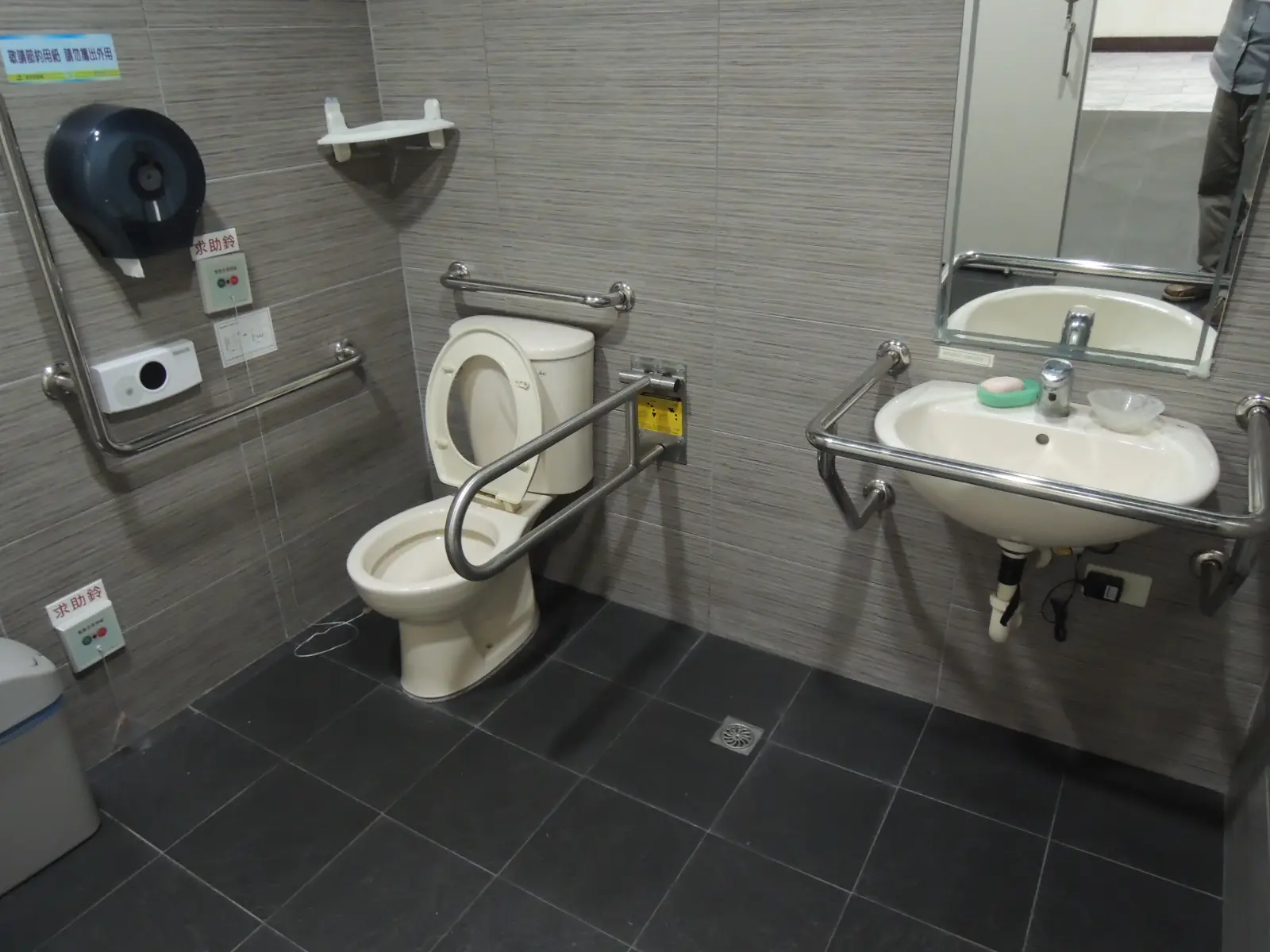
Grab Bars in Accessible Restrooms
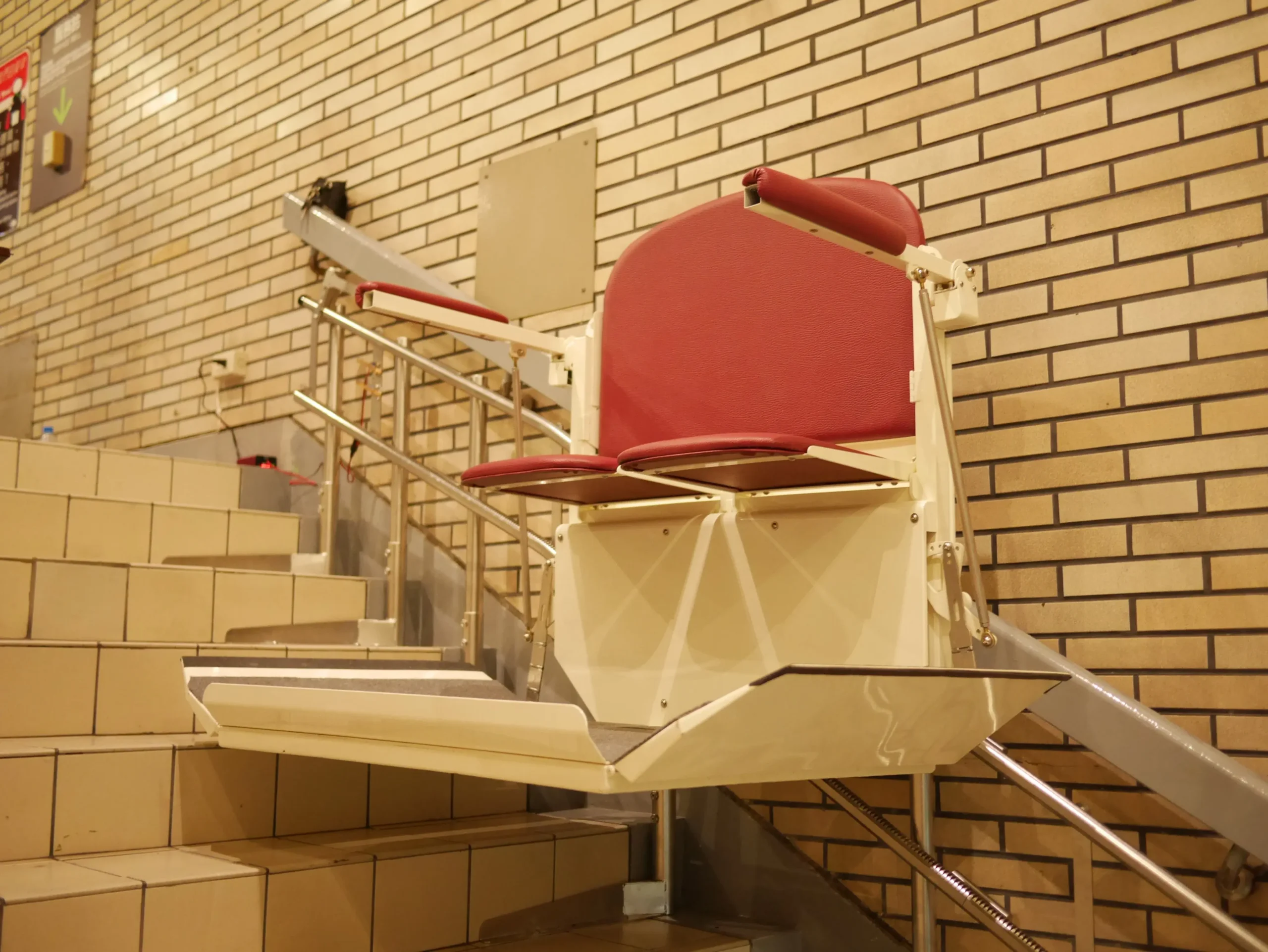
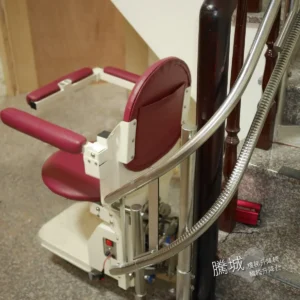
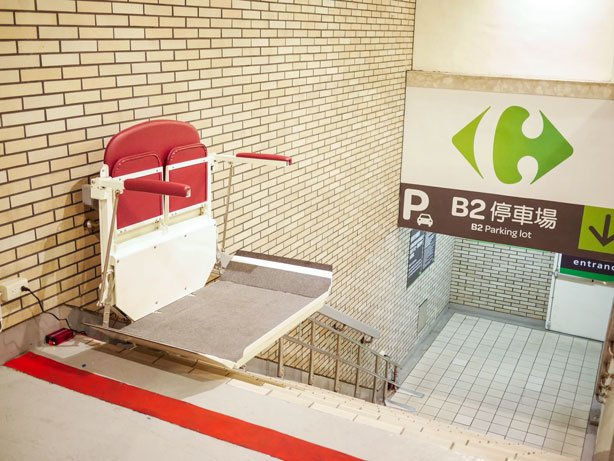
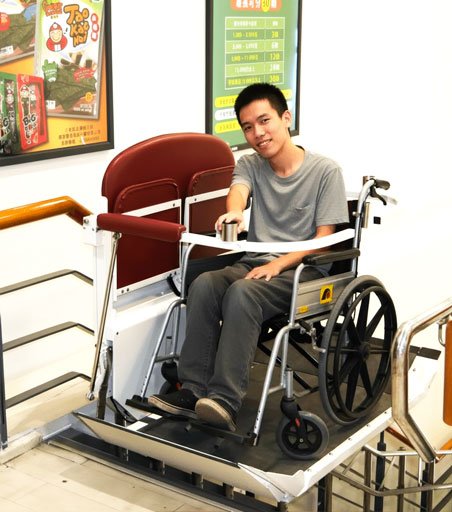
Stair Lift Platform
Why Can’t General Businesses Always Follow Government Accessible Facility Design Standards?
1. Terrain Limitations
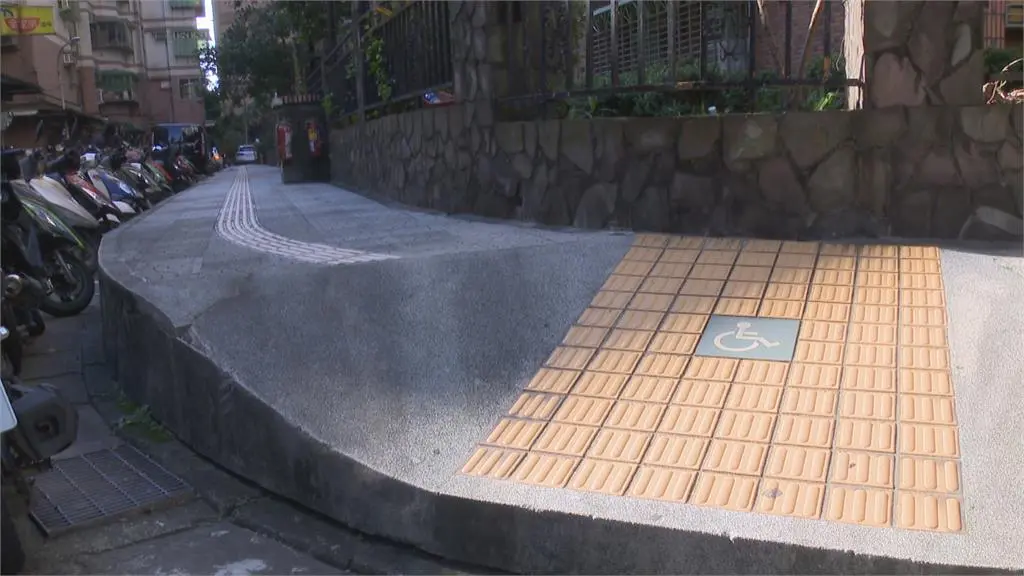
Many of Taiwan’s decades-old buildings were not originally designed with accessible facilities or equipment, which creates terrain limitations when attempting later renovations. In such cases, insisting on full retrofitting may actually cause more inconvenience. However, even though older buildings are constrained by terrain, businesses can still consult professionals or relevant agencies, or install accessible equipment to compensate for these limitations.
2. Limited Funding
Many gas stations, convenience stores, or larger public spaces have already installed relatively complete accessible facilities, such as accessible pathways and restroom grab bars. For general stores or private institutions, redesigning or retrofitting accessible facilities can be a significant financial burden.
3. Lack of Understanding of Regulations
The concept of accessible facilities is still not widely known. However, the government has already provided clear guidelines in the “Building Accessibility Design Standards.” For older buildings planning to install accessible facilities, it is recommended that business owners first familiarize themselves with the regulations to avoid unnecessary complications.
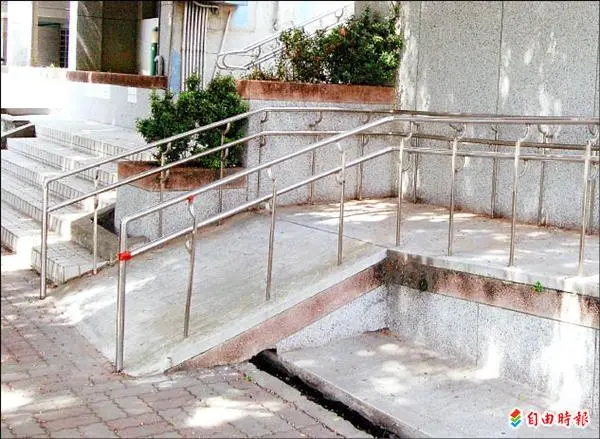
The image below shows that although an accessible ramp was installed, the slope is too steep, which can create psychological stress for wheelchair users. Image source: https://news.ltn.com.tw/news/local/paper/527354
Benefits of Using Accessible Lift Platforms for Businesses
Accessible lift platforms are among the most suitable assistive devices for moving between floors, both indoors and outdoors. Compared to installing elevators or reconstructing ramps, purchasing or renting a lift platform is more convenient and cost-effective.
1. Save Time and Costs of Reconstruction
Whether retrofitting indoor or outdoor staircases with accessible ramps, it requires extensive redesign and planning. Installing an accessible lift platform in public stair areas can save the cost of modifying various accessibility features. Business owners can meet the needs of people with disabilities without changing the existing terrain by simply adding a lift platform.
2. Reduce the Risk of Accidents
Accessible lift platforms are electrically controlled devices that move slowly and safely, ensuring the passenger’s security. In comparison, wheelchair users using ramps must worry about the effort required to ascend or descend. Uneven or overly steep ramps can lead to inconvenience or accidents.
3. Demonstrate Social Responsibility
While pursuing profit, businesses should consider the broader social impact of their activities. As society increasingly values environmental and social responsibility, ignoring social issues or violating ethical standards may lead to government penalties or public disapproval. Providing solutions for mobility challenges faced by people with disabilities and seniors is also a way for businesses to demonstrate social responsibility.
Introduction to Wheelchair Lift Platforms CF-150 and CF-200
CityFly offers two wheelchair-accessible lift platforms, the CF-150 and CF-200, to businesses. We have installed these platforms in many private institutions across Taiwan, successfully addressing mobility challenges for patients, students, seniors, and other users. Installation cases include Feng Chia University, Jianguo Elementary School, Zhushan Township Library, orthopedic clinics, and more. If you have similar needs, feel free to contact us!
| Single/Wheelchair Dual-Purpose Platform | Double/Wheelchair Dual-Purpose Platform | |
| Product Photo | 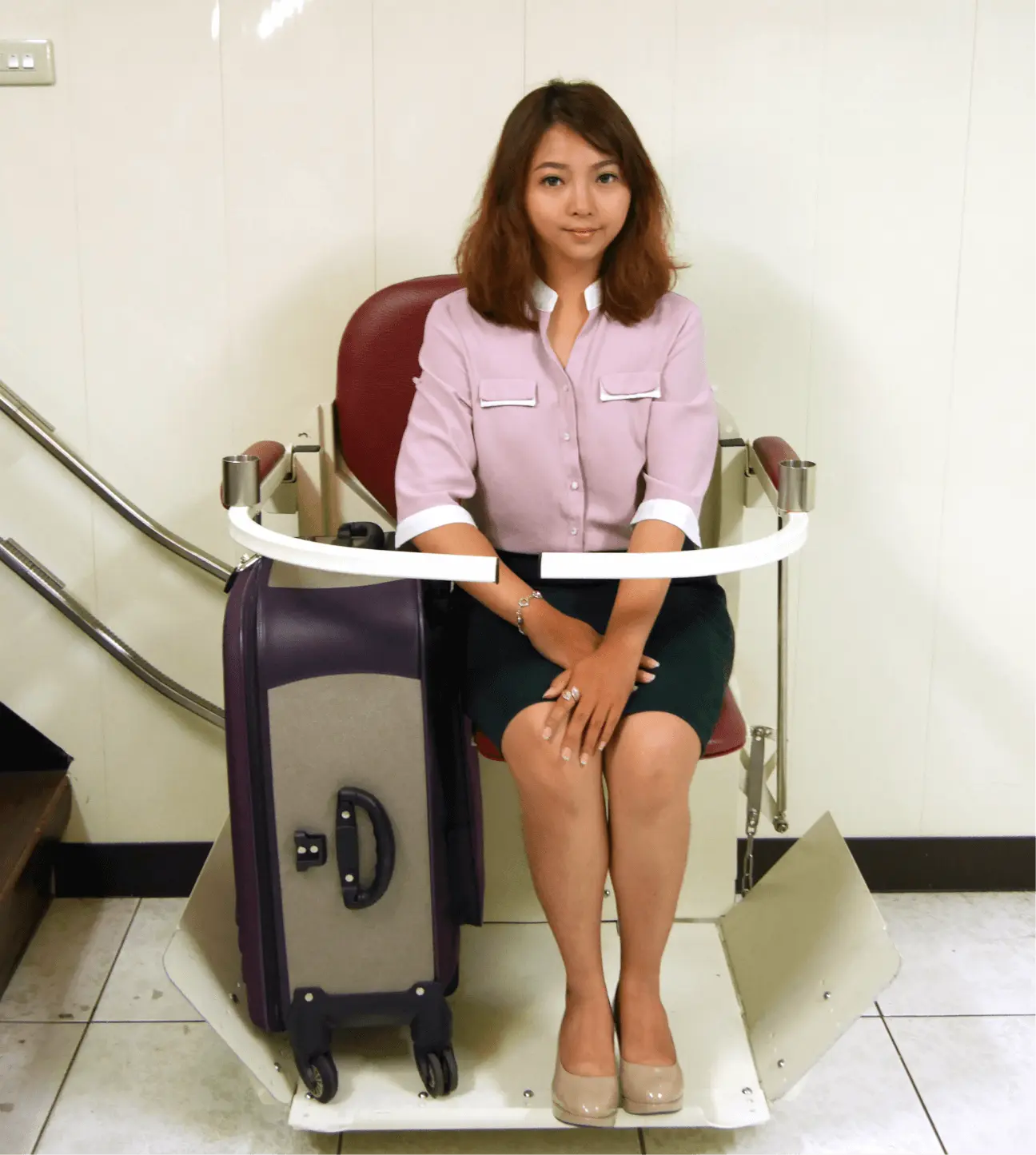 |
 |
| Model | CF-150 | CF-200 |
| Rated Load | 150 kg | 200 kg |
| Carrying Capacity | 120 kg | 140 kg |
| Minimum Stair Width | Minimum 85 cm | Minimum 110 cm (customizable) |
| Wheelchair Compatible | Yes (minimum wheel diameter) | Yes |
| Rail Type | Single / Curved | Single / Curved |
| Rail Material | Solid Stainless Steel | Solid Stainless Steel |
| Origin | Taiwan | Taiwan |
| Warranty | 2 years | 2 years |
| Product Details | Product Details |
Further Reading: