
Table of Contents
-
Why do people become more likely to fall as they age? Common factors that cause seniors to fall
-
Create a senior-friendly home! Four key planning points for home safety equipment for the elderly
-
Recommended home safety equipment | Tengcheng stairlift chair
-
Conclusion
Taiwan’s long-term care needs are rapidly increasing, and long-term care facilities are growing year by year. For older adults, even a once-familiar home environment can become increasingly inconvenient as physical strength declines. By installing home safety equipment for seniors early on, families can help prevent falls and injuries in advance. So where in the home are accidents most likely to happen? Let’s take a closer look together!
Why do people become more prone to falling as they age? Common factors that cause falls among seniors
Common reasons older adults fall include reduced mobility, medical conditions, medication use, and influences from the home environment:
- Declining mobility: degenerative joint conditions such as osteoarthritis
- Illness: neurological disorders, cardiovascular diseases, and eye conditions
- Psychological factors: anxiety, fear of falling, and reduced social interaction
- Long-term medication use: some medications have side effects such as dizziness or drowsiness
- Home environment: items placed casually around the house may become obstacles that interfere with walking paths
Where in the home are falls most likely to occur? Home safety checklist reference
According to statistics from the Ministry of Health and Welfare, 52% of fall-related injuries among seniors occur indoors. By using the “Home Environment Safety Checklist” provided by the Ministry of Health and Welfare, families can regularly inspect the home environment to help prevent falls and other accidents among older adults.
- Declining mobility: degenerative joint conditions such as osteoarthritis
- Illness: neurological disorders, cardiovascular diseases, and eye conditions
- Psychological factors: anxiety, fear of falling, and reduced social interaction
- Long-term medication use: some medications have side effects such as dizziness or drowsiness
- Home environment: items placed casually around the house may become obstacles that interfere with walking paths
Where in the home are falls most likely to occur? Home environment safety checklist reference
According to statistics from the Ministry of Health and Welfare, 52% of fall-related injuries among seniors occur indoors. By using the “Home Environment Safety Checklist” provided by the Ministry of Health and Welfare, families can regularly review the home environment to help prevent falls and other accidents among older adults.
| Item | Checklist Focus | Improvement Suggestions |
|---|---|---|
| Floor | Are there items left scattered on the floor? | Mobility aids such as wheelchairs, canes, and walkers should be kept in designated fixed locations. |
| Are too many items piled up in walkways? | Barrier-free corridors are recommended to be at least 150 cm wide. | |
| Does the floor have anti-slip features? | It is recommended to use non-slip flooring materials. | |
| Stairs | Are there light switches at both the top and bottom of the stairs? | Install night lights in stairways to avoid moving in the dark at night. |
| Are anti-slip strips installed on the stair edges? | Apply anti-slip strips or special non-slip treatments to stair surfaces. | |
| Are handrails installed alongside the stairs? | Install sturdy handrails at an appropriate height, roughly at waist level. | |
| Kitchen | Is spilled water wiped up immediately? | Place fabric anti-slip mats on the floor to keep it dry. |
| Are storage cabinets too high? | Cabinets should be at a suitable height so items can be reached without standing on tiptoes, using a chair, or squatting. | |
| Bedroom | Is it easy to get in and out of bed? | The bed height is recommended to be roughly level with the area just above the knees. |
| Are walkers or canes placed next to the bed? | Assistive devices should be placed by the bedside for easy access when moving. |
Create a Senior-Friendly Home! Four Key Planning Points for Home Safety Equipment for the Elderly
Only by properly designing living spaces for older adults can we effectively reduce the risk of accidents and improve safety and comfort at home. It is recommended to start with the following four areas:
Anti-Slip Measures
The bathroom is the area where falls occur most frequently in the home. Floors should be kept dry to prevent slipping and injury. In addition, the following measures can help:
-
Install anti-slip mats: Use non-slip mats or tiles around the bathtub and sink.
-
Place a shower chair: A shower chair allows seniors to sit while bathing, reducing strain on the knees and ankles.
-
Emergency call devices: Install emergency call buttons so help can be summoned immediately in case of an accident.
Barrier-Free Facilities
Standing or walking for long periods can be difficult for older adults. Installing sturdy, non-slip grab bars provides essential support.
High-risk areas suitable for installation include:
-
Stairways
-
Entryways
-
Bathrooms
-
Hallways
Adequate Lighting
As people age, vision changes such as presbyopia, macular degeneration, and cataracts may occur, reducing adaptability to light and increasing sensitivity to glare. Improving lighting is the first step in preventing falls.
-
Enhance nighttime lighting: Install motion-sensor lights, recessed lights, or night lights in areas with poor visibility, so seniors can clearly see each step when getting up at night to use the bathroom.
-
Switch to sensor-activated switches: As muscle strength and joint function decline, pressing traditional switches may become difficult. Sensor switches greatly improve daily convenience.
Furniture
The height and placement of furniture directly affect walking paths, making thoughtful arrangement essential. Keep the following in mind:
-
Furniture placement: Seniors’ sense of direction may gradually decline, and they tend to rely on familiar movement patterns. Frequent rearrangement of furniture is not recommended.
-
Keep pathways clear: Avoid placing large furniture in walkways, as it can easily become a hazardous obstacle.
-
Add protective padding: Install corner guards or foam padding on sharp furniture edges.
Recommended Home Safety Equipment | Tengcheng Stairlift Chair
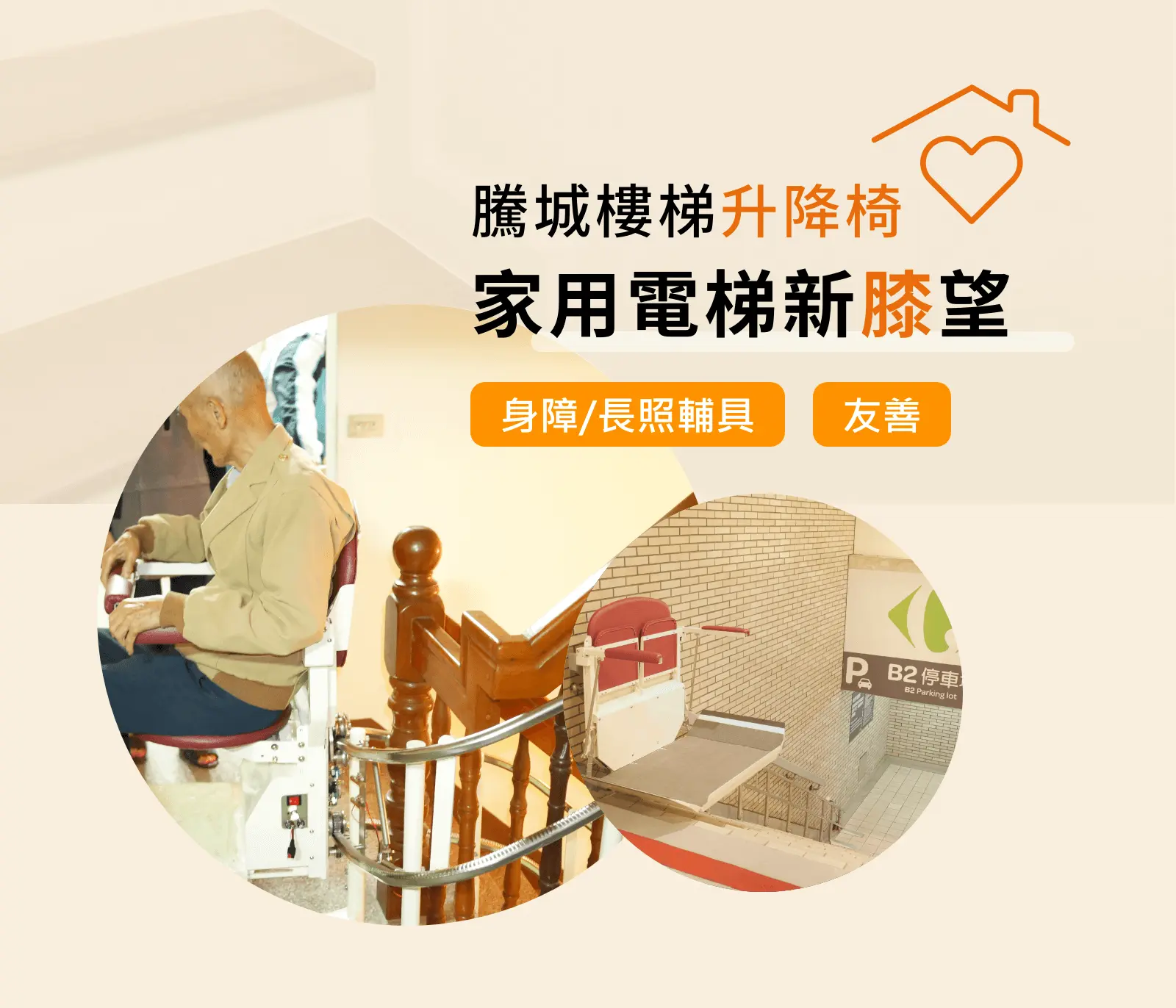
看到這裡,相信你也明白,除了定期檢查居家環境,安裝居家安全設施正是守護年長者的重要關鍵!
騰城樓梯升降椅影片|全系列產品重點特色介紹
Here is the English translation with the **HTML structure preserved** and only the Chinese text translated:
“`html
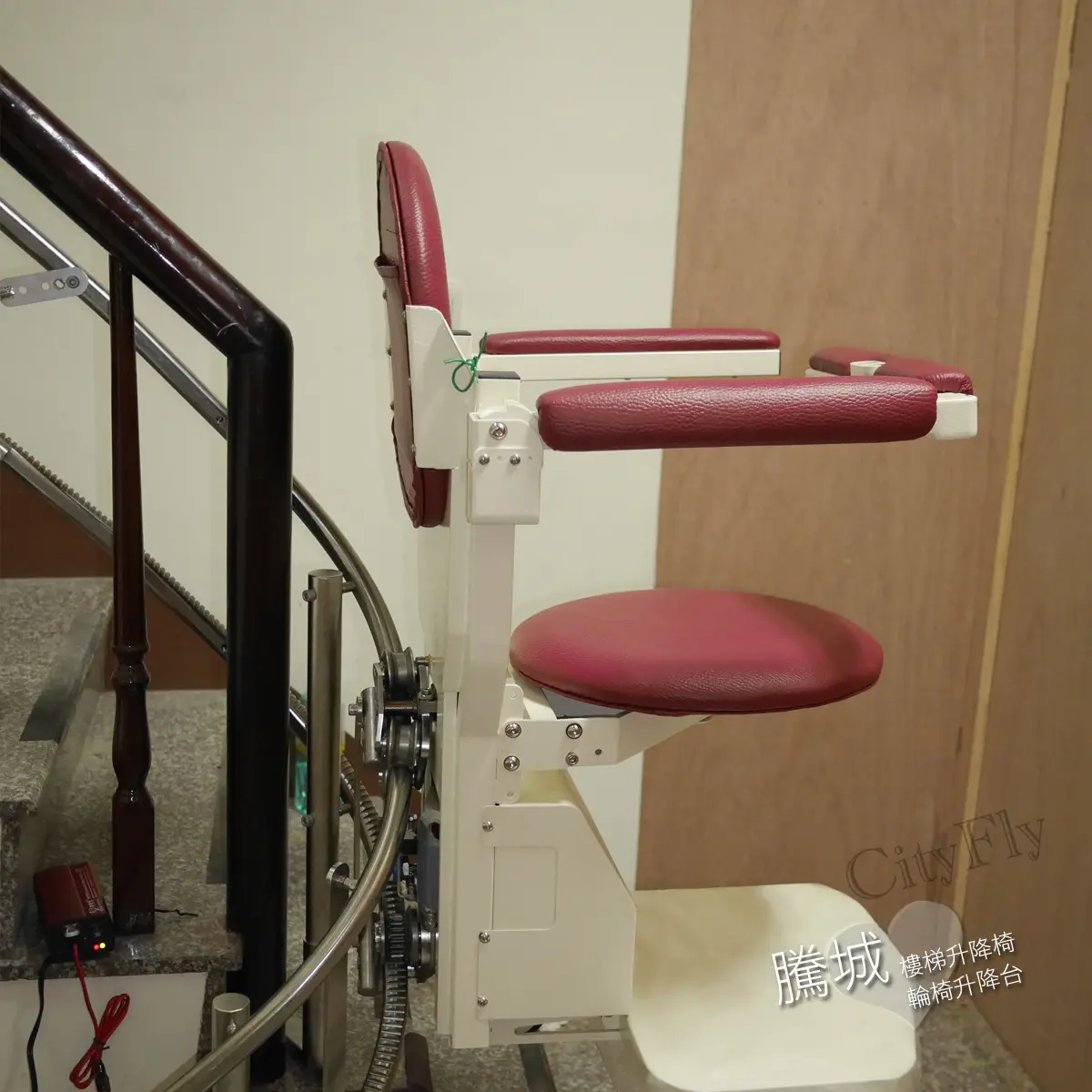
Tengcheng Stairlift Chair is a Taiwan-based MIT (Made in Taiwan) brand. Made from solid 304 stainless steel, it offers exceptional structural strength, allowing seniors to enjoy a safe and stable riding experience. Paired with a remote control, operation is simple and effortless. Every ride adds an extra layer of peace of mind and dignity, helping seniors rediscover the smile that comes with freedom of movement.
For more product features, please refer to:
A Taiwan-made stairlift that rivals international brands! An in-depth unboxing of the Tengcheng Stairlift Chair
Conclusion
With the Tengcheng Stairlift Chair, going up and down stairs is no longer a source of fear or anxiety, but a safe and reassuring part of everyday life. If you are looking to install home safety equipment for seniors, feel free to
contact Tengcheng Technology
,
and let us transform staircases from obstacles into bridges that connect daily living.
Further Reading
Who are stair-climbing assistive devices suitable for? Make good use of mobility aids to overcome movement limitations!
Straight-rail vs. dual-rail stairlifts: what’s the difference? A full comparison plus a complete installation guide!
Knee pain when climbing stairs? 5 smart tips to ease knee discomfort when going up and down stairs!
“`